In the ever-evolving landscape of technology, multiplayer experiences in VR have emerged as one of the most captivating frontiers. Imagine stepping into a virtual world where you can not only explore breathtaking environments but also interact with friends and players from around the globe. The allure of shared adventures, cooperative challenges, and competitive gameplay has transformed how we perceive social interactions in digital realms. As virtual reality continues to advance, it brings with it a new dimension of engagement that traditional gaming cannot replicate. Whether you're teaming up to solve intricate puzzles, battling foes in epic arenas, or simply enjoying a virtual coffee with friends, the possibilities are endless.
The immersive nature of VR creates a sense of presence that fosters genuine connections, making every experience unforgettable. This article delves into the fascinating world of multiplayer experiences in VR, exploring various platforms, games, and the innovative technologies that power these interactions. Join us as we uncover how virtual reality is not just changing the way we play but also revolutionizing how we connect with one another in this digital age. In recent years, the realm of multiplayer experiences in VR has seen an explosive growth, captivating gamers and social enthusiasts alike. The immersive nature of virtual reality not only enhances gameplay but also fosters deeper social connections among players. With the surge in popularity of VR, many are eager to dive into this exciting world, but the initial setup can be daunting for newcomers.
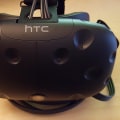
This article aims to provide a comprehensive guide on activating VR headsets and software, troubleshooting common issues, and exploring the diverse range of multiplayer experiences available once you're all set up. When it comes to choosing a VR headset, several options stand out due to their features and user experience. The Oculus Quest is particularly popular for its standalone capability, allowing users to enjoy VR without the need for a powerful PC. It boasts a library of games and social apps while offering wireless freedom of movement. The HTC Vive, on the other hand, is known for its high-quality visuals and room-scale tracking, making it ideal for more serious gamers who want a fully immersive environment.
Lastly, PlayStation VR is a great option for console gamers, providing an extensive library of exclusive titles that leverage the power of the PlayStation ecosystem. Setting up each type of headset varies slightly, but the core principles remain the same. For the Oculus Quest, start by charging the headset fully before you begin. Once charged, put on the headset and follow the on-screen prompts to create your Oculus account or log in. You'll need to set up your play area by defining your boundaries; use the Touch controllers to outline your space.
After that, you can navigate to the Oculus Store to download multiplayer games and social apps like VRChat and Rec Room.The HTC Vive requires a bit more setup due to its reliance on external sensors. Begin by placing the base stations in opposite corners of your play area, ensuring they have a clear line of sight between them. Connect your headset to your PC using the provided link box, then install the SteamVR software if you haven't already. Once installed, launch SteamVR and follow the instructions to set up your play area.
Just like with the Oculus Quest, you'll need to download multiplayer experiences from the Steam Store to get started. The PlayStation VR setup is relatively straightforward if you have a PlayStation console. Connect the processor unit to your console and TV using HDMI cables as instructed in the manual. Once connected, power everything up and put on your headset. You may need to update your PS4 or PS5 system software before downloading games from the PlayStation Store.
After everything is set up, you'll be ready to explore multiplayer titles that take full advantage of VR's capabilities. Despite careful preparation, users may encounter some common activation issues when setting up their VR headsets. For instance, connectivity problems often arise with wireless headsets like the Oculus Quest or software glitches can occur on any platform. If you experience connectivity issues, first ensure that your headset is within range of your Wi-Fi router and that no other devices are interfering with the signal. Restarting both your headset and router can often resolve these issues.
For software glitches, checking for updates regularly can help mitigate potential problems; most VR platforms frequently release patches to enhance performance and fix bugs. Once you've successfully activated your VR setup, a world of For software glitches, checking for updates regularly can help mitigate potential problems; most VR platforms frequently release patches to enhance performance and fix bugs. Once you've successfully activated your VR setup, a world of multiplayer experiences in VR awaits you. Games like VRChat allow users to create avatars and interact in diverse virtual environments ranging from relaxing hangout spaces to intense gaming arenas. Players can join public worlds or create their own private spaces for friends.
Rec Room
, another popular choice, offers a mix of games and activities where users can engage in cooperative challenges or compete against one another in mini-games. The appeal of these platforms lies not just in gaming but also in social interaction; players can meet friends from around the globe or make new acquaintances within these vibrant virtual communities.As players navigate these worlds, they can expect dynamic interactions facilitated by voice chat and expressive avatars that enhance communication. In discussing headset preferences, it's essential to acknowledge that opinions vary widely among users. Some swear by the Oculus Quest for its ease of use and portability, while others prefer the high fidelity and expansive library offered by HTC Vive or PlayStation VR's exclusive titles. Each option has its pros and cons: for example, while standalone headsets like Oculus Quest offer simplicity and mobility, they may lack some advanced features found in tethered headsets like HTC Vive. The choice ultimately depends on individual priorities—whether it's portability, graphics quality, or exclusive game availability—making it crucial for prospective buyers to assess their specific needs before making a purchase. By following these guidelines for activating your VR headset and exploring various multiplayer experiences available once set up, you can fully immerse yourself in this exciting new frontier of gaming and social interaction.
Choosing the Right VR Headset for Multiplayer
When diving into the world of multiplayer experiences in VR, selecting the right headset is crucial for ensuring an enjoyable and immersive experience. With a plethora of options available, it’s essential to consider several factors that will significantly impact your gameplay and social interactions. First and foremost, comfort should be at the top of your list.Multiplayer sessions can last for hours, and wearing a headset that feels heavy or restrictive can detract from the experience. Look for headsets that offer adjustable straps, good weight distribution, and breathable materials to keep you comfortable during extended play. The next factor to consider is tracking quality. High-quality tracking is vital for a smooth multiplayer experience, as it ensures that your movements are accurately represented in the virtual world. Opt for headsets that utilize advanced tracking technologies, such as inside-out tracking or external base stations, to provide precise movement detection and minimize latency. Lastly, the ecosystem of the headset plays a critical role in your multiplayer experience.
Some platforms boast larger libraries of multiplayer games and applications than others. Investigate which titles are available on each platform and consider how many friends you have using specific systems. Choosing a headset that aligns with your social circle can enhance your ability to connect and play together. In conclusion, when selecting a VR headset for multiplayer experiences, prioritize comfort, tracking quality, and ecosystem compatibility to ensure a fulfilling and engaging virtual reality adventure.
Setting Up Your VR Headset
To fully immerse yourself in multiplayer experiences in VR, setting up your VR headset correctly is crucial. This process can vary slightly depending on the specific headset you own, but here’s a general guide to help you get started.1.Choose Your VR Headset:
Begin by selecting a VR headset that suits your needs.Popular options include the Oculus Quest 2, HTC Vive, and Valve Index. Ensure you check the compatibility of your system with the selected headset.
2.Prepare Your Space:
Clear a designated play area free from obstacles. A minimum space of 6.5 feet by 6.5 feet is recommended to allow for movement during gameplay. Make sure the area is well-lit and free from distractions.3.Install Necessary Software:
Once you have your headset, download the required software on your PC or console.For example, Oculus users should install the Oculus app from their official website or store, while SteamVR is necessary for Valve Index and HTC Vive users.
4.Connect Your Headset:
Follow the manufacturer's instructions to connect your headset to your PC or console. This may involve using USB cables or wireless connections, depending on the model.5.Set Up Tracking Sensors:
For headsets that require external sensors, set them up in your play area according to the guidelines provided. Ensure they are positioned correctly to track your movements accurately.6.Configure Your Settings:
Open the installed software to configure settings such as display resolution, audio output, and tracking calibration. Follow on-screen prompts to ensure optimal performance.7.Test Your Headset:
Before diving into multiplayer experiences in VR, conduct a quick test to ensure everything is functioning correctly.This includes checking audio, visual clarity, and motion tracking.
8.Explore Applications:
Once set up, you can start exploring various applications and games available for multiplayer experiences. Check out popular platforms like SteamVR and Oculus Store for recommendations. By following these steps, you'll be well on your way to enjoying immersive multiplayer experiences in virtual reality!Troubleshooting Common Activation Issues
Activating your VR system can sometimes be a challenging experience, but understanding common issues can help you overcome these hurdles. Here are some frequently encountered problems and their solutions:1.Connection Problems: One of the most common issues users face is difficulty connecting their VR headset to the computer or console. Ensure that all cables are securely plugged in and that your device is compatible with the headset.If you're using a wireless connection, check for any interference from other devices.
2.Software Compatibility:
Make sure that your VR software is up to date. Sometimes, activation failures occur because the software you are using is not compatible with the latest firmware of your VR headset. Regularly check for updates on both your headset and the gaming platform you are using.3.Account Issues:
If you're having trouble activating your VR system, it could be related to your user account. Verify that you have successfully created an account with the VR service provider and that all login details are correct.Sometimes, a simple password reset can resolve activation issues.
4.Hardware Malfunctions:
In some cases, hardware problems might prevent successful activation. Test your headset on another device if possible to determine if the issue lies with the headset itself or the original device. If you suspect a malfunction, consult the manufacturer's support for troubleshooting advice.5.Firewall and Security Settings:
Occasionally, firewall settings may block the activation process. Check your security software and ensure that it allows connections for your VR applications.Temporarily disabling the firewall may help identify if it's causing the problem. By addressing these common activation issues, users can enhance their multiplayer experiences in VR without unnecessary delays or frustrations.
Top Multiplayer VR Experiences
As the world of virtual reality continues to evolve, a plethora of multiplayer experiences in VR have emerged, captivating players and enhancing social interactions. From competitive gaming to cooperative adventures, these experiences not only entertain but also forge connections among players from around the globe. Here are some of the top multiplayer VR games and applications that truly stand out.Beat Saber
is a rhythm-based game that combines music with physical activity, allowing players to slice through blocks representing musical beats with virtual lightsabers. The multiplayer mode lets friends compete against each other, adding an exciting twist to the game as they strive for high scores and personal bests.Pavlov VR
is a multiplayer shooter that has gained immense popularity for its realistic gameplay and engaging community.Players can participate in various modes, including team deathmatches and custom game modes, making it a versatile choice for those who enjoy competitive play. Its user-generated content keeps the experience fresh and tailored to the community's preferences.
Rec Room
offers a social space where players can create, share, and play games together. This platform hosts a variety of user-generated games, from paintball to escape rooms, fostering creativity and collaboration among players. The ability to interact with friends in a virtual setting enhances the social aspect of gaming, making it a favorite among VR enthusiasts.No Man's Sky
, while originally a single-player adventure, has integrated multiplayer features that allow players to explore its vast universe together.Players can build bases, trade resources, and embark on quests collaboratively, enhancing the sense of community within this expansive sci-fi environment. Finally, The Walking Dead: Saints & Sinners introduces an immersive co-op experience where players can team up to survive in a zombie-infested world. Its engaging narrative and survival mechanics require teamwork and strategy, making it a thrilling choice for those looking to bond with friends while battling the undead. These multiplayer experiences in VR not only provide entertainment but also foster connections between players, creating memorable moments that extend beyond the virtual world. Whether you prefer competitive challenges or cooperative adventures, there's a multiplayer VR experience that caters to your preferences. In this article, we explored the exciting world of multiplayer experiences in VR and highlighted how these immersive environments can transform social interactions. We began by discussing the essential steps for setting up your VR headset, ensuring that you are ready to dive into virtual realms with friends and fellow gamers.
We also addressed common issues that may arise during activation, providing helpful troubleshooting tips to keep your experience seamless. As we examined some of the top multiplayer VR experiencesmultiplayer VR experiences, it became clear that these applications not only enhance gameplay but also foster connections among players from around the globe. Choosing the right VR headset is crucial for maximizing your enjoyment, and we provided insights on what features to look for based on your multiplayer needs. In conclusion, activating VR opens up a world of possibilities for enhanced multiplayer experiences. We encourage you to explore various applications and engage with others in these captivating virtual environments. Whether you're teaming up for a mission or competing against each other, the social aspect of VR is sure to enrich your gaming adventures.