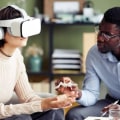
In recent years, the world of Virtual Reality (VR) has transcended its roots in gaming and entertainment, emerging as a powerful tool for artistic expression and design innovation. As artists and designers continue to push the boundaries of creativity, they are increasingly turning to immersive technologies to explore new dimensions of their work. This article delves into the fascinating realm of creative applications of VR in art and design, showcasing how this transformative medium is reshaping artistic practices. Imagine stepping into a digital canvas where your imagination becomes reality, where colors and forms are not confined by the limitations of physical materials. VR offers artists an unprecedented platform to experiment, collaborate, and engage audiences in ways that were once thought impossible.
From virtual galleries that transport viewers into immersive exhibitions to interactive installations that invite participation, the possibilities are as limitless as the artists' visions. As we embark on this exploration of the intersection between virtual reality and artistic expression, we will uncover inspiring examples and innovative projects that demonstrate the profound impact VR is having on creative practices. Join us on this journey to discover how artists are harnessing the power of technology to redefine what art can be in the 21st century.
Creative applications of VR in art and design
are rapidly evolving, reshaping how artists and designers engage with their audiences. Virtual reality offers an unprecedented opportunity to create immersive experiences that transcend traditional mediums. By immersing viewers in a fully interactive environment, artists can invite them to explore their work from multiple perspectives, fostering a deeper connection and understanding of the artistic intent. One prominent example of this transformation is the emergence of virtual galleries.These digital spaces allow artists to showcase their work globally without the constraints of physical location. Notable platforms such as VIVE Arts and Artsteps enable users to curate their exhibitions, giving them the freedom to design the layout and atmosphere of their gallery. This approach not only democratizes access to art but also allows for innovative presentation methods that engage viewers in ways that traditional galleries cannot. Another exciting avenue is the development of immersive installations. Artists like Refik Anadol harness the power of VR to create experiences that blend art, technology, and data.
Through installations that respond to viewer movements or sound, they create environments where art is not just observed but experienced. These installations often incorporate elements of interactivity, allowing participants to influence the artwork in real time, thus becoming part of the creative process.
Interactive storytelling
is yet another facet where VR is making waves. Artists and storytellers are using VR to craft narratives that place the viewer at the center of the story. Projects like The Night Cafe, which recreates Vincent van Gogh’s famous painting in a 3D space, invite users to explore and interact with the environment, making them feel as though they are stepping into the artwork itself.This level of engagement not only enhances appreciation for the narrative but also encourages audiences to reflect on their own experiences. For artists looking to utilize VR tools, applications such as Tilt Brush and Oculus Medium have become essential. These programs allow artists to create stunning 3D artworks in a virtual space, using intuitive hand movements to paint or sculpt in three dimensions. With tools that mimic real-world materials and techniques, artists can experiment freely without the limitations imposed by physical media. The creative potential is vast, enabling everything from intricate sculptures to expansive murals that envelop the viewer. The impact of VR extends beyond individual artistry; it significantly enhances design processes as well.
In fields like architecture, VR can revolutionize architectural visualization. Instead of static blueprints or renderings, architects can present their designs within a fully immersive environment. Clients can walk through unbuilt spaces, providing invaluable feedback early in the design process. This level of immersion helps bridge communication gaps between architects and clients, resulting in designs that truly reflect user needs. Moreover, product prototyping benefits from VR integration.
Designers can create virtual prototypes that stakeholders can interact with before manufacturing begins. This method not only saves time and resources but also allows for iterative design processes where feedback can be quickly implemented. By visualizing products in a 3D space, designers can assess ergonomics and aesthetics more effectively. However, while the advantages of integrating VR into art and design are clear, artists often face challenges when adopting this technology. Setup can be daunting; ensuring that all hardware is compatible and properly configured requires technical know-how that not every artist possesses.
Additionally, software limitations can restrict creative expression. Many VR tools still have steep learning curves or may lack advanced features that artists desire. To navigate these hurdles effectively, artists should consider practical tips for activating VR headsets and troubleshooting common issues. For instance, ensuring that your PC meets the necessary specifications for your VR headset is crucial for optimal performance. When setting up your headset, follow manufacturer instructions meticulously; this often includes calibrating room boundaries and adjusting headset fit for comfort. If issues arise during use, restarting both the computer and headset frequently resolves connectivity problems.
Checking for software updates can also eliminate bugs or enhance functionality. Engaging with online communities dedicated to VR art can provide invaluable support as artists share tips and solutions to common problems. In conclusion, the realm of VR in art and design is still in its infancy but holds immense potential for transformation. As artists continue to embrace these technologies, they unlock new avenues for creativity and engagement that redefine our understanding of art itself.
The Future of Design in Virtual Reality
The integration of virtual reality (VR) into the design landscape is not just a trend; it is a transformative shift that promises to redefine how designers conceptualize and execute their work. As VR technology continues to advance, we can expect to see an array of emerging trends that will significantly impact various industries, including fashion design and interior decorating.One of the most exciting aspects of VR in design is its ability to create immersive environments where designers can visualize their creations in real-time.For instance, fashion designers are beginning to use VR to showcase their collections in virtual runways, allowing audiences to experience garments from all angles and even interact with them. This not only enhances the audience engagement but also allows designers to gather feedback before producing physical items. In the realm of interior decorating, VR applications are revolutionizing client presentations. Designers can create realistic 3D models of spaces, enabling clients to walk through proposed designs and make real-time adjustments. This level of interactivity leads to a more collaborative design process and ensures that the final result aligns closely with the client's vision. Case studies illustrate the successful integration of VR into design workflows.
For example, a prominent fashion house recently utilized VR technology to present their latest collection at a global fashion event. Attendees were able to don VR headsets and immerse themselves in a digital fashion show, experiencing the collection in an unprecedented way. Similarly, an interior design firm employed VR tools to create virtual walkthroughs for their clients, receiving accolades for their innovative approach and improved client satisfaction. As we look towards the future, the potential for VR in design appears limitless. With ongoing advancements in technology, we can anticipate even more sophisticated applications that will not only enhance creativity but also bridge the gap between designers and audiences in ways previously thought impossible.
Choosing the Right VR Headset
As artists and designers increasingly explore the creative applications of VR in art and design, selecting the right VR headset is crucial for maximizing their artistic potential.Each headset offers unique features, pricing structures, and user experiences that can significantly impact the creative process. One of the leading contenders in the market is the Oculus Quest 2. This standalone headset provides an affordable entry point into VR, priced around $299. It boasts a high-resolution display and a user-friendly interface, making it accessible for artists who may not be tech-savvy. Feedback from artists highlights its portability and ease of use, allowing for spontaneous creative sessions. Another notable option is the Valve Index, which offers superior tracking and a wider field of view. Priced at approximately $999, it’s more of an investment but provides an unparalleled experience with its high refresh rate and precise motion tracking.
Artists have praised its immersive qualities, particularly when creating detailed 3D environments. The HTC Vive Pro also deserves mention, particularly for professional artists. With a price tag around $799 (excluding base stations), it features high-resolution visuals and excellent audio quality. Users have noted that its ergonomics make it comfortable for extended use, which is vital during long creative sessions. Lastly, the Pimax 8K X stands out for those who prioritize resolution. Priced at about $1,299, it offers one of the highest resolutions available in consumer VR headsets.
Artists working on intricate designs often find that the clarity enhances their workflow significantly. When choosing a VR headset for artistic applications, artists should consider their budget, desired level of immersion, and specific artistic needs. Feedback from the creative community can provide valuable insights into which headset best aligns with their unique objectives in the evolving landscape of virtual reality and artistic expression.
Immersive Art Applications
As the boundaries between technology and creativity continue to blur, virtual reality (VR) has emerged as a transformative medium for artists and designers. One of the most compelling aspects of VR is its ability to create immersive experiences that captivate audiences in unprecedented ways. Platforms like ArtSteps and Spatial are at the forefront of this revolution, allowing artists to showcase their work in virtual environments that transcend traditional gallery spaces.ArtSteps
offers a unique platform where artists can build and curate their own virtual exhibitions.Users can create 3D spaces that reflect their artistic vision, enabling them to present their work in a context that enhances the viewer's experience. This interactivity allows audiences to navigate through the exhibition at their own pace, fostering a deeper connection with the art. Additionally, ArtSteps supports multimedia elements, allowing artists to incorporate videos, audio, and interactive components that further enrich the narrative of their work. Another innovative platform is Spatial, which emphasizes social interaction within virtual spaces. Artists can host live events, discussions, or workshops in a shared virtual environment, allowing audiences to engage directly with creators and other viewers.
This communal aspect of VR exhibitions not only enhances the viewing experience but also builds a sense of community among art enthusiasts. Participants can explore artwork from different angles and perspectives, facilitating a more dynamic understanding of the pieces on display. The potential for audience interaction in these virtual platforms is vast. Artists can gather real-time feedback and reactions from viewers, enabling them to adapt and evolve their work based on audience engagement. Furthermore, these immersive environments break down geographical barriers, allowing artists to reach global audiences without the limitations of physical space. In summary, platforms like ArtSteps and Spatial exemplify the innovative applications of VR in the art world.
By providing immersive experiences that facilitate unique audience interactions, they empower artists to express their creativity in groundbreaking ways while inviting viewers to engage with art on a deeper level.
Setting Up Your VR Experience
Setting up your VR experience is a crucial step in unlocking the creative potential of virtual reality in art and design. Here, we will detail the steps for setting up popular VR headsets such as the Oculus Rift, HTC Vive, and Valve Index. Each headset has its unique setup process, but they all aim to create an immersive environment for artistic exploration.Oculus Rift:
To set up your Oculus Rift, first ensure that your PC meets the necessary requirements. You will need a compatible graphics card and USB ports.Begin by downloading the Oculus Setup Software and follow the on-screen instructions. Connect the sensors, headset, and controller as prompted. Once everything is connected, run through the room-scale setup to define your play area. Begin by downloading the Oculus Setup Software and follow the on-screen instructions. Connect the sensors, headset, and controller as prompted. Once everything is connected, run through the room-scale setup to define your play area.
HTC Vive:
The HTC Vive setup process starts similarly. Check that your system meets the hardware requirements.Download the Vive Setup Software to get started. Place the base stations in opposite corners of your play area, ensuring they have a clear line of sight. Connect the headset to your computer and follow the setup wizard to configure your space and room scale. Download the Vive Setup Software to get started. Place the base stations in opposite corners of your play area, ensuring they have a clear line of sight. Connect the headset to your computer and follow the setup wizard to configure your space and room scale.
Valve Index:
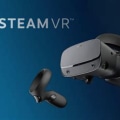
For the Valve Index, make sure you have a suitable PC. Visit the SteamVR setup page to download the necessary software. For the Valve Index, make sure you have a suitable PC. Visit the SteamVR setup page to download the necessary software.Similar to the other headsets, set up the base stations in your play area first. Connect your headset and controllers, then use the SteamVR software to calibrate your environment and ensure everything is functioning correctly. Common troubleshooting tips for all headsets include checking cable connections, ensuring that sensors are positioned correctly, and restarting both your headset and computer if issues arise. Refer to each headset's official support page for more detailed troubleshooting advice. By following these steps and utilizing official guides, you can set up your VR headset effectively, allowing you to dive into the innovative world of virtual reality art and design. In conclusion, the integration of Virtual Reality into the realms of art and design is nothing short of revolutionary. This technology not only enhances the way artists create but also transforms how audiences experience their work, offering immersive encounters that were previously unimaginable.
As we have explored throughout this article, VR provides unique tools that enable artists to push the boundaries of creativity and engage with viewers on a deeper level. We encourage our readers to embrace this innovation by experimenting with VR applications and exploring various immersive art platforms. By activating VR technology, you can unlock a new realm of creative possibilities that will elevate your artistic expression and connect you more profoundly with your audience.